Source durable outdoor artificial topiary giraffe for hotels, parks, and gardens
Compare 30 listings of durable outdoor artificial topiary giraffe from verified suppliers in Guangdong. Buyers can review sizes, materials, and lead times for garden decor and commercial applications.
Key considerations
Products List
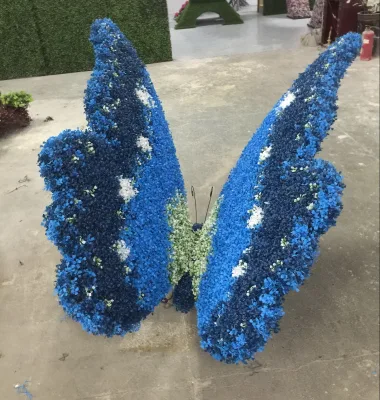
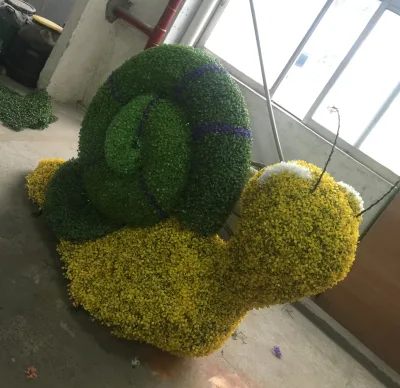
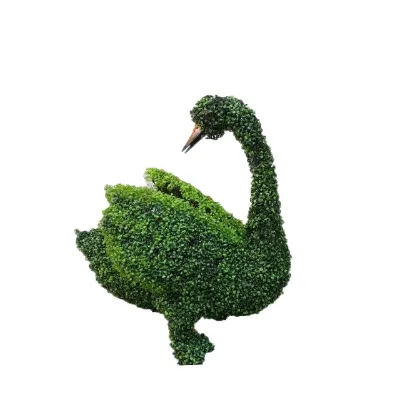
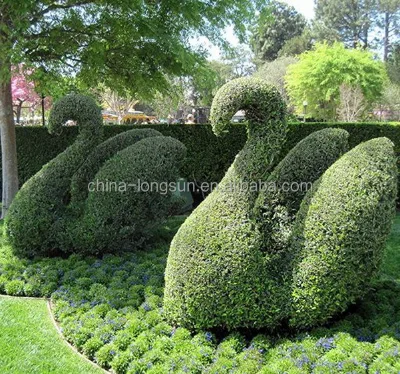
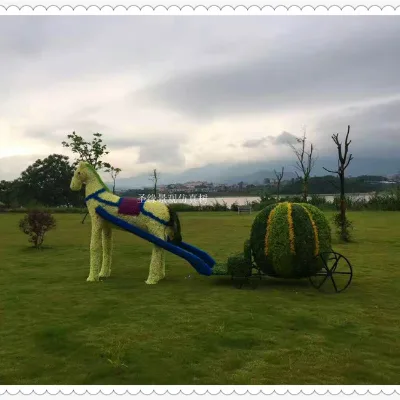
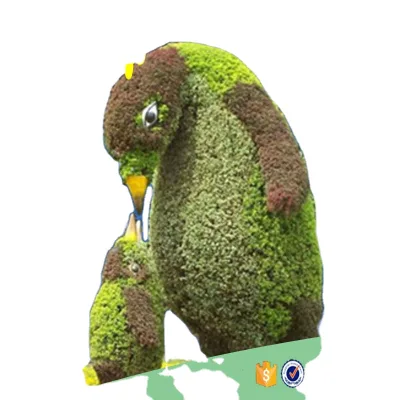
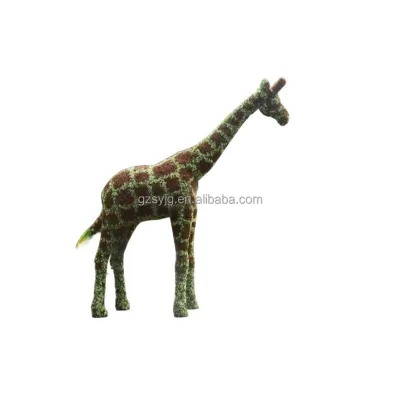
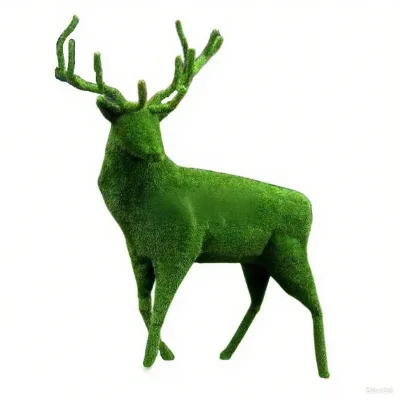
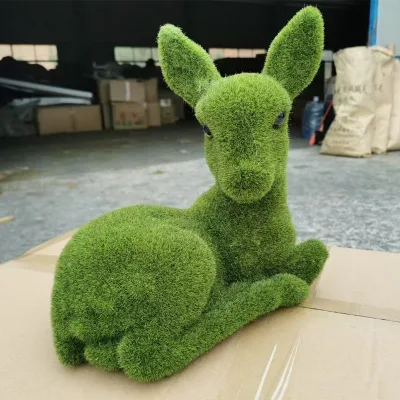
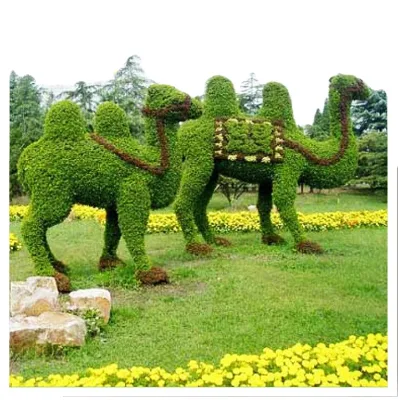
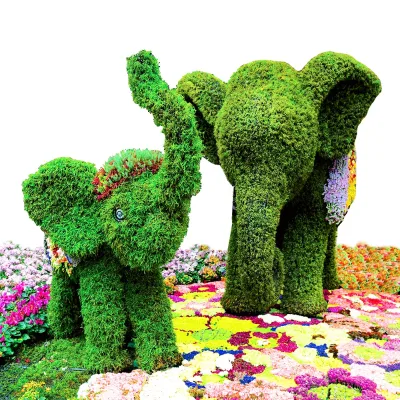


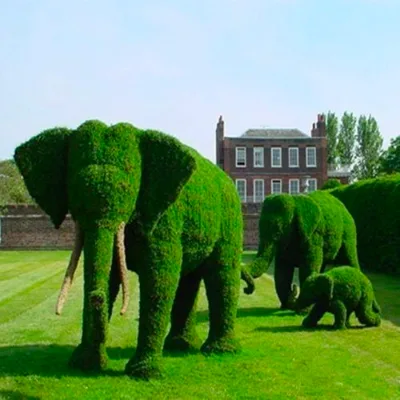
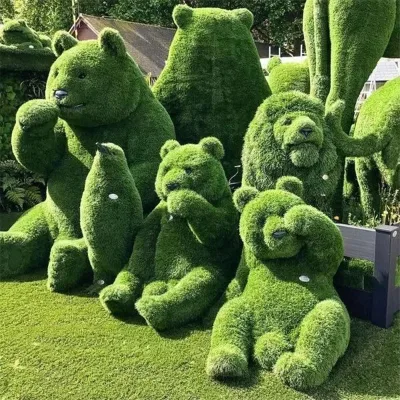



Comprehensive Sourcing Guide
Sourcing Guide for Durable Outdoor Artificial Topiary Giraffe
Procuring durable outdoor artificial topiary giraffes requires a disciplined approach to verifying material integrity, structural stability, and supplier capability. The market for artificial landscape ornaments has expanded significantly, driven by the demand for low-maintenance greenery in commercial and residential spaces. Buyers must navigate a landscape where product attributes vary widely, from the specific polymer composition to the internal framing systems that ensure longevity under UV exposure. This guide synthesizes available product data and industry standards to assist procurement professionals in making informed decisions without relying on unverified claims.
Technical Specifications and Material Composition
The foundation of a durable artificial topiary lies in its material composition. High-quality units designed for outdoor use typically utilize Polyethylene (PE) with UV stabilizers to prevent fading and brittleness over time. The supplied data indicates that specific models are constructed with PE materials explicitly treated for UV resistance, a critical factor for products intended to remain in direct sunlight for extended periods. In contrast, some entries list generic "Plastic" or "Plastic+Iron" compositions. When sourcing giraffe topiaries, buyers should prioritize products where the foliage is confirmed to be PE with UV protection rather than generic PVC or unstabilized plastics, which degrade rapidly outdoors.
Structural integrity is equally vital. The internal framework often consists of iron or metal frames to support the weight of the foliage and resist wind loads. Data points reference "Plastic+Iron" and "plastic & fabric metal fram" as construction methods. For a giraffe topiary, which often features elongated necks and legs, a robust metal frame is essential to prevent sagging or collapse. The single gross weight of observed units can reach 30.0 kg, suggesting substantial internal reinforcement. Buyers must verify the thickness and coating of the metal frame to ensure it is rust-resistant, particularly for outdoor applications.
Size specifications also vary significantly in the market. Observed data includes sizes ranging from 2 feet to 3 feet, with specific model numbers indicating lengths of 150cm. Customization is frequently available, with suppliers noting that "other size is available" or "Height: customized." This flexibility allows buyers to match specific design requirements for hotels, tourist attractions, or community gardens. However, larger dimensions increase the surface area exposed to wind and weather, necessitating a more rigorous evaluation of the anchoring system and frame strength.
Compliance, Certification, and Safety Verification
While the provided product data does not list specific certification numbers, buyers must actively seek verification of compliance with international safety and environmental standards. Outdoor artificial plants are often subject to regulations regarding flammability, toxicity, and UV stability. For products used in public spaces like hotels or tourist attractions, fire retardancy is a non-negotiable requirement. Buyers should request test reports confirming that the materials meet relevant fire safety standards, such as those from the British Standards Institution (BSI) or the American Society for Testing and Materials (ASTM), rather than relying on general marketing claims of "high quality."
Environmental compliance is another critical area. The term "environmental" appears in product features, but this requires substantiation. Buyers should inquire about the recyclability of the PE and plastic components and whether the manufacturing process adheres to environmental management systems. Additionally, since these products are often shipped from Guangdong, China, to international markets, compliance with the destination country's import regulations regarding plastics and treated materials is necessary.
Cost Drivers and Pricing Dynamics
The pricing for artificial topiary giraffes is influenced by several distinct factors. The observed price range in the market spans from 1 USD to 1925.5 USD, a variance that reflects differences in size, material quality, and complexity of design. A unit priced at the lower end of this spectrum likely represents a smaller, simpler model with basic plastic foliage and minimal framing. Conversely, the higher price points correspond to larger, custom-sized units with advanced UV protection, intricate detailing, and robust metal frames.
Material costs are a primary driver. PE with UV stabilizers is more expensive than standard plastic, and the inclusion of iron or specialized metal frames adds to the base cost. Packaging also impacts the final price; units shipped in plywood boxes or wooden frames incur higher logistics costs compared to those packed in simple PP bags. The single package size of 180x30x30 cm for a 3-foot unit indicates significant volume, which affects freight charges. Buyers should calculate the total landed cost, including shipping, duties, and insurance, rather than focusing solely on the unit price.
Typical Applications and Design Integration
Artificial topiary giraffes serve diverse applications, ranging from private garden decoration to large-scale commercial installations. The supplied data explicitly mentions usage in "garden decoration," "Outdoors Decoration," and specific applications in "hotels, tourist attractions, communities." The versatility of these products allows them to function as standalone sculptures or as part of a larger landscape design.
In commercial settings like hotels and tourist attractions, the aesthetic appeal is paramount. The "Unique style, high quality, natural shape" features highlighted in product descriptions suggest that these items are designed to mimic the organic curves of a real giraffe. The availability of multiple colors, including "Green," "Green+Yellow," and numbered variants like "01,02,03,04,05," allows for customization to match specific branding or thematic requirements. For community spaces, durability and safety are the primary concerns, requiring units that can withstand heavy foot traffic and varying weather conditions without losing their shape or color.
Supplier Evaluation and Operational Capabilities
When evaluating potential suppliers, buyers should scrutinize their production capacity and logistical capabilities. The data indicates a supply ability of 100 pieces per month for certain models, which may be a constraint for large-scale projects requiring hundreds of units. Buyers must verify if the supplier can scale production to meet project deadlines or if they rely on a network of subcontractors.
The lead time is another critical operational metric. Observed lead times range from 20 to 30 days after deposit, with some specific models noting a 20-day window. This timeline must be factored into the overall project schedule, especially for time-sensitive installations. The port of dispatch is consistently listed as Shenzhen, with specific mentions of Shenzhen Shekou and Yantian. This consistency suggests a concentrated logistics hub, which can streamline shipping processes but also means buyers should be aware of potential congestion during peak seasons.
Payment terms typically involve T/T (Telegraphic Transfer), a standard practice in international trade. Buyers should ensure that the payment schedule aligns with production milestones to mitigate risk. The availability of samples is a positive indicator of supplier confidence, allowing buyers to physically inspect the quality of the PE material, the finish of the metal frame, and the overall craftsmanship before committing to a bulk order.
Quality Control and Long-Term Procurement Considerations
Quality control for artificial topiary giraffes should focus on three main areas: color fastness, structural integrity, and weather resistance. Buyers should request evidence of UV testing to ensure the colors do not fade within the first year of outdoor exposure. The "UV" designation in the material description is a starting point, but independent test results provide greater assurance. Structural integrity checks should involve examining the weld points of the metal frame and the attachment method of the foliage to the frame. Loose foliage or weak welds can lead to premature failure.
Long-term procurement considerations include the availability of replacement parts and the supplier's ability to honor warranty claims. Since these products are often custom-made, finding exact replacements for damaged units can be challenging if the supplier ceases operations or changes production lines. Buyers should establish a relationship with a supplier that offers OEM/ODM services, ensuring that they can produce replacement units or modified designs in the future.
The packaging details, ranging from PP bags to plywood boxes, play a significant role in protecting the product during transit. For large or delicate units, a plywood box or wooden frame is preferable to prevent crushing or deformation. Buyers should verify that the packaging is robust enough to withstand the rigors of international shipping, particularly if the destination involves multiple handling points.
Comparative Analysis of Product Attributes
To assist in decision-making, the following table summarizes key attributes observed in the market for artificial topiary giraffes. This comparison highlights the variability in specifications that buyers must evaluate.
| Attribute | Observation A | Observation B | Observation C |
|---|---|---|---|
| Material | PE with UV | Plastic + Iron | Plastic & Fabric Metal Fram |
| Size | 3 feet | 2 feet | 150cm Length |
| MOQ | 1 Set | 1 pcs | Customizable |
| Lead Time | 20-30 Days | 20-30 Days | 20 Days after Deposit |
| Packaging | PP Bag / Plywood Box | Carton | Wood Frame / Carton |
| Usage | Garden Decoration | Outdoor Decoration | Hotels, Tourist Attractions |
| Origin | Guangdong, China | Guangdong, China | Guangdong, China |
| Port | Shenzhen | Shenzhen Shekou/Yantian | Shenzhen |
This table illustrates that while the core product category remains consistent, the specific implementation varies. Buyers must match these attributes to their specific project requirements. For instance, a project requiring immediate installation might prioritize suppliers with shorter lead times, while a high-end hotel might prioritize the "PE with UV" material and "Plywood Box" packaging for superior durability and presentation.
In conclusion, sourcing durable outdoor artificial topiary giraffes requires a meticulous review of material specifications, structural design, and supplier capabilities. By focusing on verified attributes such as UV-stabilized PE materials, robust metal framing, and reliable lead times, buyers can secure products that meet the demands of both aesthetic and functional requirements. The absence of specific certification data in the initial product listings underscores the need for proactive verification by the buyer to ensure compliance and longevity.
FAQs
What material is used for durable outdoor artificial topiary giraffes?
The product typically uses PE with UV stabilizers or plastic combined with iron frames. This composition ensures resistance to fading and structural stability for outdoor garden decoration applications.
Which sizes are available for these artificial topiary animals?
Available sizes include 2 feet, 3 feet, and 150cm length models. Customization is also offered, allowing buyers to request other sizes to fit specific design requirements for hotels or communities.
Can buyers customize the height and color of the giraffe topiary?
Yes, the height is customizable, and colors include green, green plus yellow, and numbered variants. Suppliers confirm that other sizes and specific animal topiary designs are available upon request.
How long is the lead time for orders of artificial topiary giraffes?
The standard lead time ranges from 20 to 30 days after deposit. This timeline applies to production and preparation before the goods are dispatched from the port of Shenzhen.
What is the minimum order quantity for purchasing these ornaments?
The minimum order quantity starts at 1 piece or 1 set depending on the specific model. This low entry point allows buyers to test products or order small quantities for garden decoration.
How are these artificial plants packaged for international shipping?
Packaging options include PP bags, cartons, or plywood boxes with wooden frames. The choice depends on the product size and weight, with larger units often requiring robust protection like plywood boxes.